July 23, 2021. SaturDevo
룻기 4:14, “여인들이 나오미에게 이르되 찬송할지로다 여호와께서 오늘 네게 기업 무를 자가 없게 하지 아니하셨도다 이 아이의 이름이 이스라엘 중에 유명하게 되기를 원하노라.”
룻기는 해피엔딩이라는 전형적인 크래식소설 형식의 러브 스토리입니다. 그 도입 부분은 돌아온 탕자의 이야기를 생각나게 합니다. 베들레헴의 엘리멜렉이라는 사람의 가족이 잘 먹고 잘 살기 위해 고향을 떠났다가 남편과 아들들과 모든것을 잃고 엘레멜렉의 아내 나오미만 과부가 된 며느리 룻만 데리고 빈털털이가 되어 고향으로 돌아오는 이야기로 시작합니다. 그 주요 주제도 친절과 구속으로 특별하지 않습니다. 주인공인 여자, 그것도 이방여자와 구속자인 보아스의 친절한 행위가 하나님의 역사에 사용되는 이야기입니다. 하나님은 한 순간도 그 주인공들을 떠나지 않지만, 또한 한번도 이야기 표면으로 등장하지 않습니다. 그러나 룻기를 읽고 나면, 그 진짜 주인공은 하나님이심을 인정할수 뿐이 없습니다.
우리의 생활 중에도 하나님은 겉으로 등장하지 않으십니다. 그래서 혹자는 묻습니다. 이 모든 일중에 하나님은 어디 계십니까? 룻기처럼 우리가 우리의 삶를 다 살고 난후, 우리의 삶을 영적인 눈으로 돌아본다면, 우리는 분명히 고백할 것입니다. 하나님은 한 순간도 우리를 떠나지 않으셨습니다 라고.
룻의 이야기에서 하나님이 함께 하심은 곳곳에서 발견됩니다. 첫째는 흉년이 이야기를 끌어 가는 방법이 아브라함을 생각하게 하고, 요셉을 생각하게 하며, 예수님의 돌아온 탕자의 이야기를 떠올리게 합니다. 성경은 반복해서 쓰이는 어떤 이야기나, 구절, 단어등을 사용하여 그 쓰임을 기억하게 하고 의미를 갖게 합니다. 대표적인 것이 신을 벗는 행위라든가, ‘I am’이라는 말입니다. 신을 벗는 다는 것은 모세의 행위를 기억나게 하고 거룩한 땅 위에 선다는것을 의미하고, ‘I am’이라는 말도, 하나님이 자신의 이름을 밝히실때 사용한 말임을 기억하게 하고, 예수님이 사용하실때, 자신이 하나님이심을 은연중에 나타내는 말입니다. 같은 식으로 룻의 이야기도 흉년을 사용하여 하나님께서 진행 시키고 계신 이야기라는 것을 암시하고 있습니다. 둘째는 계속되는 우연이 하나님의 역사라는 것을 부인하기 힘들게 합니다. 나오미와 룻이 유대땅에 도착한 때가 ‘마침’ 추수때입니다(1:22). 룻은 ‘우연히’ 보아스의 밭에 나가게 되고(2:3), 또 보아스는 ‘마침’ 그의 추수를 보러 나오고(2:4), 보아스가 기업무를 권리를 해결하려고 성문에 갔을때, ‘마침’ 그 가까운 기업무를 자가 지나갑니다(4:1). 믿는 사람들에게 우연은 없다고 합니다. 모든 우연처럼 보이는 사건속에서 하나님이 일하고 계심을 알수 있습니다. 또 한가지는 보아스의 기업무를자(redeemer)의 행위는 하나님의 자비(kindness)를 구현하는 역할을 합니다. 보잘것 없는 이삭 줍는 이방여인에게 베푸는 자비와, 룻의 간구을 듣고 사건을 처리하기 위하여 일하는 보아스의 적극적인 행동은, 우리의 절망을 보시고, 우리를 구원하기 위하여 베푸신 예수 그리스도의 구원을 보는듯 합니다.
룻의 이야기를 읽으며 우리는 우리 자신의 삶을 생각해 볼수 있습니다. 룻에게 보아스는 구속자가 되어, 룻과 나오미에게 축복과 기쁨을 되찾아 주고, 그 후손 다윗을 통하여 이스라엘에게 안식을 주었으며, 또 다윗을 후손을 통하여 온세상에 구원을 주게 됩니다. 우리도 룻처럼, 하나님의 백성으로 부터 분리된, 약속의 언약에 이방인이고, 희망도 없이 절망중에 있는 이방인이었습니다. 이것을 에베소서 2:12절은 이렇게 말합니다. “그 때에 너희는 그리스도 밖에 있었고 이스라엘 나라 밖의 사람이라 약속의 언약들에 대하여 외인이요 세상에서 소망이 없고 하나님도 없는 자이더니.” 우리에게 예수 그리스도가 오시어 우리를 절망과 고통속에서 구속하여 주시고 우리 삶속에 역사하시며, 우리의 모든 일 중에 하나님은 항상 함께 계시며 우리의 이야기를 해피엔딩으로 이끄시고 계십니다.
히브리서 13:7절은 이렇게 말합니다. “ 하나님의 말씀을 너희에게 일러 주고 너희를 인도하던 자들을 생각하며 그들의 행실의 결말을 주의하여 보고 그들의 믿음을 본받으라.” 룻은 고백합니다. “어머니께서 가시는 곳에 나도 가고 어머니께서 머무시는 곳에서 나도 머물겠나이다 어머니의 백성이 나의 백성이 되고 어머니의 하나님이 나의 하나님이 되시리니” (룻기 1:16). 룻이 믿었던 그 하나님이 우리가 오늘 믿는 그 하나님이십니다(히13:8). 이 모든 일 중에 룻에게 함게 하셨던 그 하나님이 오늘 우리의 모든 일 중에 또한 함께 하시는줄 믿습니다.
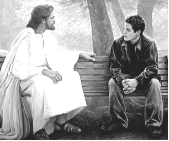
Where is God in all of this?
Ruth 4:14, ““Blessed be the LORD, who has not left you this day without a redeemer, and may his name be renowned in Israel!”
The Book of Ruth is a typical classic love story with a happy ending. The introduction reminds us of the story of the returning prodigal son. A family of a man named Elimelech from Bethlehem left their hometown to eat and live well, but in ten years, they lost everything. Only three bereaved wives -Elimelech’s wife and her two daughters-in-law – were left. It starts with the story of returning to his hometown. Its main themes are also nothing special with kindness and redemption. It is a story that is used in God’s work of the kind deeds of the main characters, the woman, the foreign woman and the redeemer, Boaz. God never left the protagonists for a moment, but also never come up to the surface of the story. However, after reading the book of Ruth, we cannot but admit that the real hero was God.
In our lives today, God does not appear outwardly. So some ask. Where is God in all this? As in the book of Ruth, if we look back at our lives with spiritual eyes after we have lived our lives, we will surely confess that God never left us for a moment.
In Ruth’s story, God’s presence was found everywhere. First, the way the famine leads the story reminds us of Abraham, Joseph, and the story of the returning prodigal son. The Bible uses certain stories, phrases, or words that are repeated over and over to remind us of its use and give it meaning. A typical example is an act of taking off the shoes or the word ‘I am’. Taking off the sandals reminds us of the actions of Moses and means standing on the holy ground. The word ‘I am’ reminds us that the word ‘I am’ was a word used by God to reveal his name. And it is the word that Jesus used to express implicitly his divinity. In the same way, Ruth’s story implies that God was proceeding with the story using famine. Second, it makes it hard to deny that successive coincidences were God’s work. “They came to Bethlehem at the beginning of barley harvest” (1:22). Ruth happened to come to the part of the field belonging to Boaz (2:3), and behold, Boaz came from Bethlehem (2:4) to see his harvest and see Ruth, and when Boaz goes to the city gate to settle his business right, behold, the redeemer, of whom Boaz had spoken, came by. (4:1). It is said that there are no coincidences for those who believe. You can see that God is at work in all seemingly coincidental events. Another thing is that Boaz’s actions as a redeemer play a role in embodying God’s kindness. The mercy he showed to the poor gleaner, and Boaz’ active action to listen to Ruth’s plea and deal with the case seem to see our despair and see the salvation of Jesus Christ, who was offered to save us.
Reading the story of Ruth, we can think about our own lives. To Ruth, Boaz became the Redeemer, restored blessings and joy to Ruth and Naomi, gave rest to Israel through his descendant David, and brought his descendant, Christ, to the world through David. Like Ruth, we too were strangers to the covenant of promise, separated from God’s people, and hopeless and desperate. This is what Ephesians 2:12 says: “you were at that time separated from Christ, alienated from the commonwealth of Israel and strangers to the covenants of promise, having no hope and without God in the world.” Jesus Christ came to us, and redeemed us from despair and suffering. He works in our lives, and God is always with us in everything we do, leading our story to a happy ending.
Hebrews 13:7 says: “Remember your leaders, those who spoke to you the word of God. Consider the outcome of their way of life, and imitate their faith.” Ruth confesses. “Where you go I will go, and where you stay, I will stay. Your people will be my people, and your God will be my God” (Ruth 1:16). The God Ruth believed in is the God we believe in today (Hebrews 13:8). I believe that the same God who made Ruth in all of these things is also with us in all of us today.†
 My Work Desk