6/5/2021
여호수아 6:21, “성 중에 있는 것을 다 멸하되 남녀 노유와 우양과 나귀를 칼날로 멸하니라.”
SaturDevo
여호수아서는 참 흥미있는 책입니다. 모세오경의 속편이라고 말 할만한 책입니다. 모세를 통하여 이스라엘 백성을 애굽에서 이끌어 내신 하나님은 이제 여호수아를 통하여 이스라엘 백성을 가나안땅으로 인도하여 들입니다. 아브라함에게 하신 하나님의 약속이(창12:3) 모세를 통하여 반만 이루어집니다. 이제 하나님의 약속이 여호수아를 통하여 완성되는(fulfillment of God’s Promise) 장면이 여호수아서입니다.
여호수아서는 대략 네개의 단락으로 나눌수 있습니다.
1. 요단을 건너고 (Crossing the Jordan into the land), 1-5장,
2. 땅을 취하고 (Taking the land) 6-12장,
3. 땅을 나누고 (Dividing the land) 13-21장,
4. 하나님을 섬기는 (Serving the Lord in the land) 22-24장 입니다.
땅을 취하는 이야기는 단지 삼분에 일이 안됩니다. 이 분분에서 여호수아가 가나안 일곱족속을 몰아내는 전쟁을 하는데, 하나님의 말씀에 따라 그들을 진멸하는 장면이 여호수아서를 읽는 사람들의 마음에 ‘너무한다’라는 생각이 들게 합니다. 전쟁 이야기가 우리의 뇌리를 자극해 여호수아서하면 전쟁의 책이라는 편견도 갖게하고, 성전(Holy War)을 정당화 시키려는 사람이 있는가 하면, 성경을 적대시하는 어떤 사람들은 평강의 하나님이라는 신약의 가르침에 모순된다고 주장하며 구약의 말씀을 비난합니다. 그러나 하나님이 부당합니까? 절대 아닙니다.
문맥 상황(context)가 빠지면 이런 주장을 할수 있습니다. 뮤지엄에 가면 종종 한 벽면을 다 차지하며 걸려있는 큰 그림을 볼수 있습니다. 그 그림을 자세히 보겠다고 가까이 다가가면, 그림의 한 부분 뿐이 보이질 않습니다. 그 그림을 정확히 보려면 우리는 몇발짝 뒤로 물러나야 전체를 볼수 있고, 그림의 내용을 알아볼수 있습니다. 성경을 읽을 때도 마찬가지 입니다. 한 부분만 떼어내어 읽고 나서 그 주인공(하나님)을 논할수는 없습니다.
하나님은 여상하시고, 그의 연대는 무궁하시며, 어제나 오늘이나 영원토록 동일하십니다 (시102:27, 히13:8). 상황에 따라, 때를 따라 원칙없이 행하시는 분이 아니십니다. 하나님이 하시는 일에 모순이 있을 수 없습니다. 가나안 정복도 마찬가지 입니다. 이스라엘을 특별히 사랑하시어 죄없는 가나안 사람들을 진멸시키신 것이 아닙니다. 특별히 사랑하신것은 맞지만, 그 때문에 가나안사람들에게 부당하게 행하시진 않았습니다. 한 발짝 뒤로 물러나 보면, 여호수아서는 창세기부터 연결되는 내용인 줄 알게 됩니다.
첫째, 하나님은 창조주 하나님이십니다. 온 세상의 주인이신 하나님은 창조물을 관리할 권리가 있습니다 (출 19:5, 시24:1). 신약도 이 믿음을 말합니다 (행17:24-31).
두번째, 하나님은 심판자이십니다. 사람의 죄악이 세상에 관영함과 그 마음의 생각의 모든 계획이 항상 악할 뿐임을 보시고(창 6:5) 온세상을 물로 멸하실 권리도 있으시고(창 6-9), 언어를 혼잡게 할 권리도 있으시고(창 11:1-9), 소돔과 고모라를 불로 멸하실 권리도 있으십니다. 그러나 그 권리를 의인들에게 행하시진 않으셨습니다. 그중에서 노아를 빼어내셨고, 의인을 찾고 찾다가 롯의 가족만 제외시키십니다. 죄가 만연한 가나안땅(창 15:16, 레18:24-30)을 이스라엘 백성으로 징치하시는 하나님이 부당합니까? 죄를 심판하시는 하나님은 이스라엘도 느브갓네살의 손으로 징치하시는 하나님이십니다. 하나님은 공정한 심판자이십니다.
세째, 하나님은 이스라엘을 신정정치(Theocracy) 체제로 언약을 맺습니다. 즉 교회가 종교 의식 뿐만 아니라 백성의 삶도 돌보는 체제입니다. 종교적 위배는 이스라엘 하나님의 백성에서 끊쳐짐을 의미합니다. 이것은 이방종교는 종교적인 적이었을 뿐만 아니라 하나님의 백성인 이스라엘의 존재을 위협하는 악이었습니다. 가나안땅에서 건짐받는 라합과 기브아사람들은 가나안이 진멸된것은 가나안사람이었기 때문이 아니라 하나님의 적이었기 때문이란것을 증명합니다. 하나님은 이유없이 무죄한 사람을 심판하지 않으십니다.
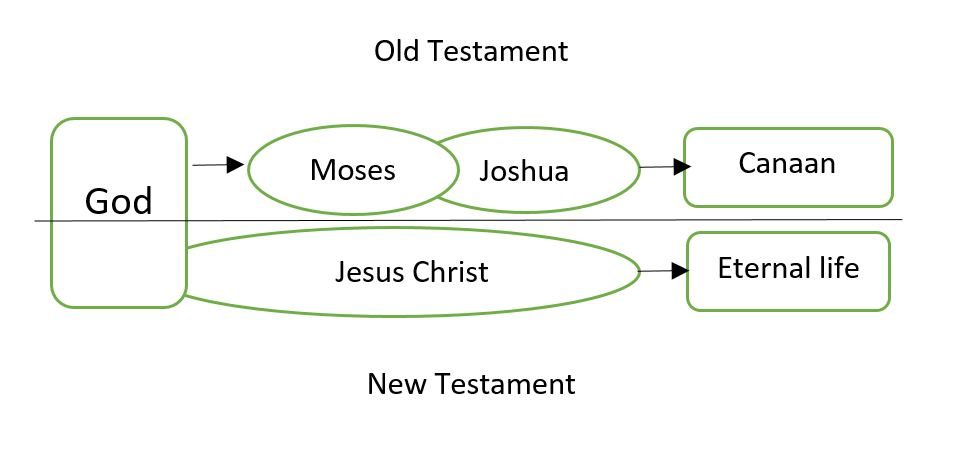
여호수아와 예수가 헬라어에서는 같은 단어 (Ἰησοῦς)입니다. 즉 구원자라는 뜻의 이름입니다. 여호수아가 하나님의 백성, 이스라엘을 하나님이 허락한 땅, 젖과 꿀이 흐르는 땅으로 인도하여 들여 안식을 주었던 것 처럼, 예수님은 예수 그리스도를 믿는 하나님의 백성, 모든 크리스찬을 하나님의 나라 천국으로 인도하여 영생을 주실 구원자이십니다. 성경은 예수그리스도가 재림할때에 (마지막때에) 창세 이후에 전례없는 대 환란을 예고하고 있습니다 (마24:21). 그때에 예수그리스도를 믿는 않는 사람은 그 환란을 당할 것인데, 그 환란은 여호수아의 가나안 정복 전쟁은 비교할수도 없는 무시무시한 환란입니다. 그리고 믿는사람은 영생 (eternal life)으로, 믿지 않는 사람은 영벌(eternal punishment)로 나누어집니다(마 25:46).
하나님이 부당하십니까? 절대 아닙니다. 예수 그리스도를 믿는 자는 구원을 얻으리라(행16:31, 롬10:9) 약속하신 그 약속을 반듯이 성취시키실, 믿을 만한 신실하신 하나님이십니다.
Joshua 6:12, “Then they devoted all in the city to destruction, both men and women, young and old, oxen, sheep, and donkeys, with the edge of the sword”.
Is God Unjust?
The book of Joshua is a very interesting book. This book is a sequel to the Pentateuch. God, who brought the Israelites out of Egypt by Moses, now leads them into the land of Canaan by Joshua. God’s promise to Abraham (Genesis 12:3) was only half fulfilled through Moses. Now the scene where God’s promise is fulfilled through Joshua is in the book of Joshua.
The book of Joshua can be roughly divided into four sections.
1. Crossing the Jordan into the Land, Chapters 1-5,
2. Taking the land, Chapters 6-12,
3. Dividing the land, Chapters 13-21,
4. Serving the Lord in the land, Chapters 22-24.
The story of taking the land is only less than one-third of the book. In this episode, Joshua fights a battle to drive out the seven tribes of Canaan, and the scene of annihilating them according to the word of God makes people who read the book of Joshua think that it is too much. The war story stimulates our minds, leading to the prejudice that the book of Joshua is a book of war. Some try to justify the Holy War, while others who oppose the Bible argue and criticize that the New Testament’s teaching of the God of peace contradicts the Old Testament’s teaching. But, is God really unjust? Absolutely not.
You can make this assertion if the context is missing. When you go to a museum, you can often see large paintings hanging on the whole wall. If you get close to the painting to look closely, only one part of the painting is visible. To see the picture correctly, you have to step back a few steps to see the whole and to see the contents of the picture rightly. The same is true when reading the Bible. Just reading one part of the book, you cannot discuss the main character (God).
God is the unchanging One, and His years will have no end, and He is the same yesterday, today, and forever (Psalm 102:27; Hebrews 13:8). He is not a person who acts without principle, depending on the circumstances and the time. There can be no contradiction in what God is doing. The same goes for the conquest of Canaan. It was not that He especially loved Israel and destroyed the innocent Canaanites. It is true that he loved the Israelites especially, but he did not do anything unfair to the Canaanites because of that. If you take a step back, you will see that the book of Joshua is connected with the Pentateuch. Here are the facts.
First, God is the author of all creation. God, the Lord of the whole world, has the right to control creation (Ex. 19:5; Psalm 24:1). The New Testament also speaks of this faith (Acts 17:24-31).
Second, God is the judge. God, seeing that the sin of man was great on the earth and that all the thoughts of his heart were evil (Gen. 6:5), has the right to destroy the whole world with water (Gen. 6-9). He has the right to confuse the language (Genesis 11:1-9). He has the right to destroy Sodom and Gomorrah with fire. But he did not destroy a single righteous with them. He took Noah out of them. He looked for the righteous before He destroyed the cities and He excluded only Lot’s family. Is it unfair that God punished the Canaanites in the land (Genesis 15:16, Leviticus 18:24-30), where sin was rampant? The God who judges sin also punished Israel by the hand of Nebuchadnezzar. God is a just judge.
Third, God made the covenant with Israel at Sinai as the theocracy. In other words, Israel was the system that takes care of not only religious ceremonies but also the lives of the people. Religious violation meant being cut off from God’s people in Israel. Pagan religion was not only a religious enemy, but also an evil that threatened the existence of God’s people, Israel. Rahab and the Gibeonite who were rescued from the land of Canaan prove that the destruction of Canaan was not because they were Canaanites, but because they were enemies of God. God does not judge the innocent without cause.
Joshua and Jesus are the same word in Greek (Ἰησοῦς). The name means savior. Just as Joshua brought God’s people, Israel, to land that God has promised, a land flowing with milk and honey, and gave them rest, Jesus will lead God’s people, all Christians, who believe in Jesus Christ, to the kingdom of God, the heaven. He is the savior who will give you eternal life. The Bible foretells a great tribulation, such as has not happened since the beginning of the world until now (Matthew 24:21) when Jesus Christ returns (at the end of time). At that time, those who do not believe in Jesus Christ will experience the tribulation, which is a terrible tribulation that Joshua’s war to conquer Canaan cannot be compared. At that time, those who do not believe will go away into eternal punishment, but those who believe into eternal life (Matthew 25:46).
Is God Unjust? Absolutely not. He will surely fulfill the promise that those who believe in Jesus Christ will be saved (Acts 16:31, Romans 10:9). He is a trustworthy and faithful God.
 My Work Desk
Great!!!
Thank you for the cool and keen story telling!
좋아요좋아요